

Post-training
Reinforcement learning, verifiable feedback, and context management for language, scientific, and agentic systems.
system.profile / online
I develop methods for large language models, reinforcement learning, and multimodal scientific foundation models. I am a Computer Science PhD student at UC Irvine, with an emphasis on reliable evaluation.
Curated commands only—this terminal does not execute
code. Try help.
Reinforcement learning, verifiable feedback, and context management for language, scientific, and agentic systems.
Turning large general models into smaller, efficient experts without losing what matters.
Foundation models and evaluations grounded in genomics, biology, diagrams, and geometry.
stream.01 / latest
Accepted work, research roles, and recent milestones—without the notification noise.
One on efficient context management for long-horizon LLM agents, and one on self-improving coding agents that evolve both their model weights and their own code.
Co-first-authored work on uncertainty-aware teacher intervention for on-policy distillation of multi-turn LLM agents. Explore the interactive paper note or read the paper ↗.
LLM Research Scientist Intern working on verifiable evaluation and post-training for scientific diagrams.
Differentiable combinatorial optimization for causal variant discovery in the non-coding genome.
Procedurally generated tasks for long-horizon video reasoning.
Our oral paper for the BioLaySumm 2025 shared task combines section-wise retrieval, LLM generation, and reinforcement learning for biomedical lay summaries.
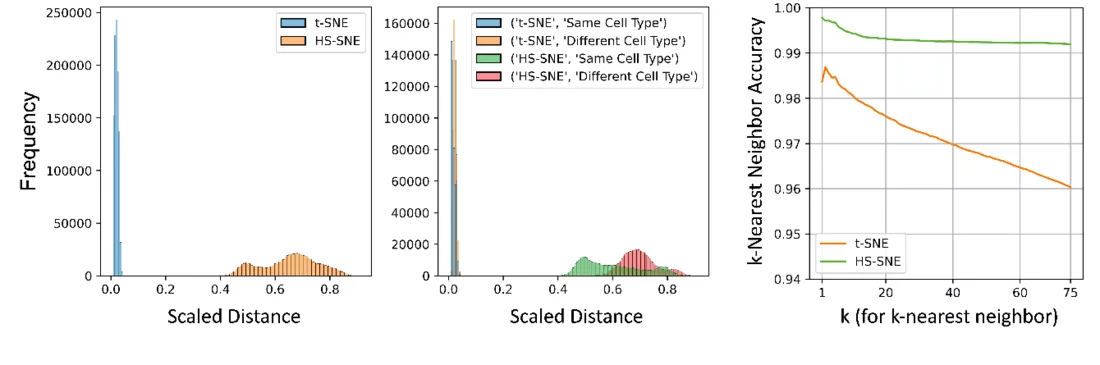
Our work on L2 normalization and geodesic distance in high-dimensional single-cell visualization received the award at the 15th ACM Conference on Bioinformatics, Computational Biology, and Health Informatics (ACM BCB 2024).
workspace.02 / current
Methods and systems work, organized by the scientific question rather than the application domain.
R/01
Co-first author · carried out most of the experiments
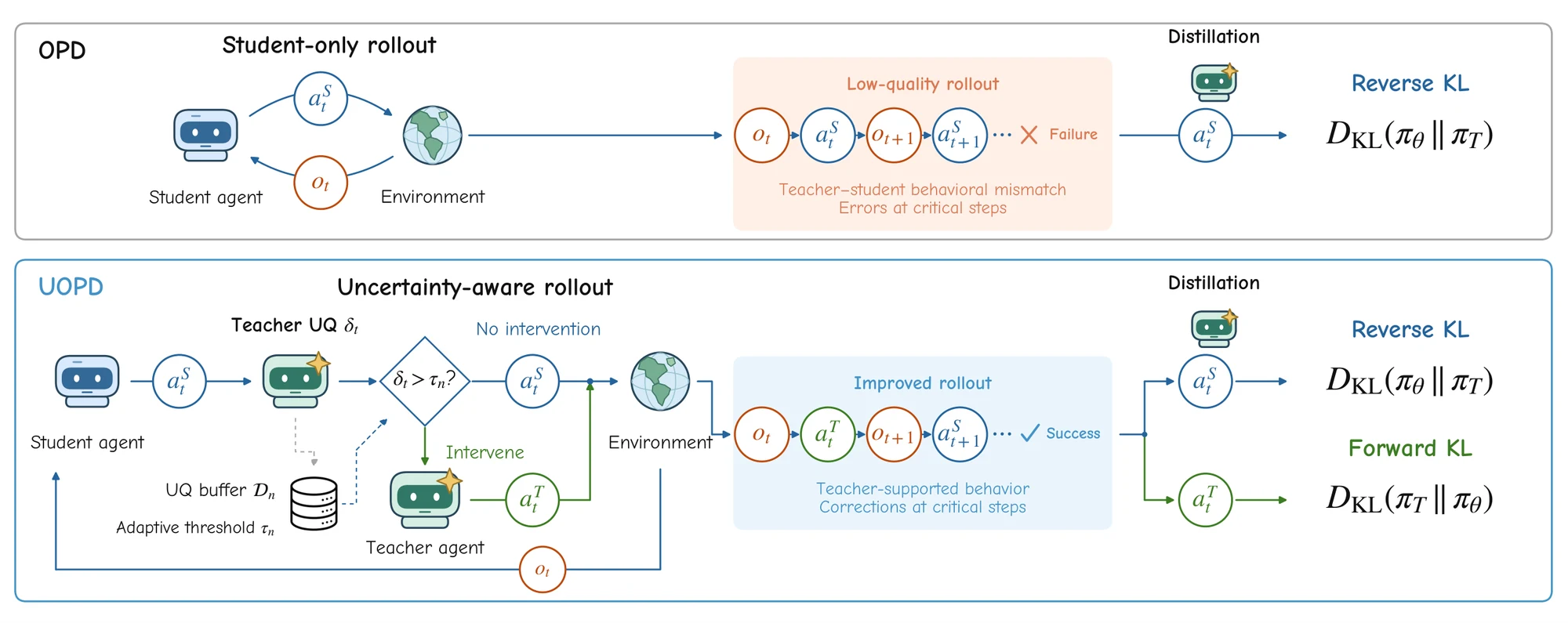
When a small student distills a multi-turn agent on its own rollouts, one bad action can derail the rest of the episode. UOPD lets the frozen teacher score each proposed action: at low-uncertainty turns the student acts and learns with reverse KL; at high-uncertainty turns the teacher's action is executed and imitated through SFT. A quantile threshold tracks a scheduled intervention rate, so the schedule sets how often the teacher steps in and uncertainty sets where. I ran most of the experiments, including ALFWorld, Search-R1 multi-hop QA, the ablations, and the 3B and 1.5B student studies.
R/02
Project lead · model distillation, evaluation, and systems
Toward sub-million-parameter expert models distilled from large genomic language models, with controlled evaluation across classification and base-resolution tasks.
R/03
Project lead · model, data, training, and evaluation
A reasoning-grounded, multimodal foundation model for cell-type-conditioned DNA generation, editing, and pair prediction. I lead the model, data, and evaluation effort.
R/04
LLM Research Scientist Intern · diagram.ai
Semantic verifiers turn structured diagram feedback into rewards for reinforcement-learning post-training and iterative repair. The project emphasizes evaluation design and reproducible experiments; unreleased results remain high level.
R/05
Independent study · controlled empirical research
Controlled multi-domain studies across NLP and single-cell models, with multi-seed baselines, negative controls, and reproducible cluster-scale experiments.
R/06
Lead researcher · set-valued knowledge distillation
Studying how prediction pooling and Wasserstein barycenters relate under first-moment evaluation, and how independently trained compact students recover complementary teacher behavior.
R/07
Technical report · distributed ML systems
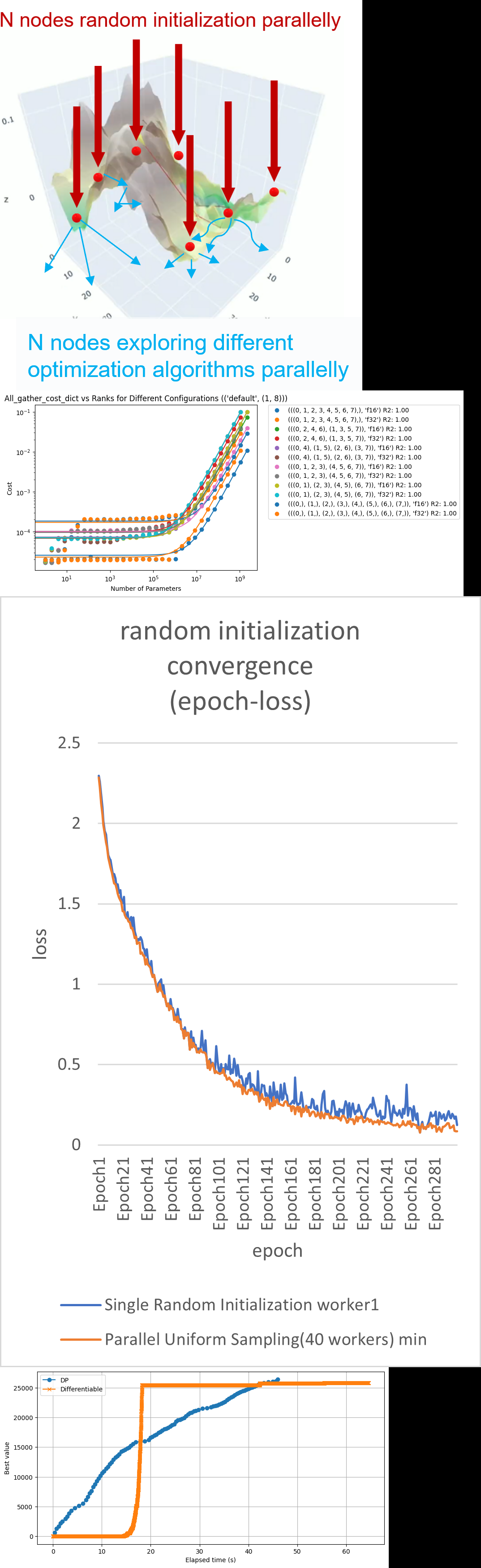
Hardware-aware, latency-predictable differentiable search for faster configuration and convergence of distributed machine-learning pipeline parallelism.
R/08
Public preprint · interpretable computational biology
Interpretable multi-task learning for shared epigenetic regulation across autoimmune diseases, with site–gene–pathway structure built into the analysis.
R/09
Agentic RL · harness evolution · held-out evaluation
How a coding agent can improve both its model weights and its own code harness from experience under one compute budget, and how to tell real gains from noise with held-out evaluation.
R/10
Agent memory · prompt caching · efficient inference
Keeping long-horizon agents within their context window without losing evidence or wasting compute, through harness-side policies that archive history and keep the prompt cache valid.
R/11
Open benchmark contributions · Minecraft merged upstream · Kart in review
I designed and implemented long-horizon video-understanding tasks for race-telemetry reconstruction in SuperTuxKart and action-ledger reconstruction in Minecraft, with seeded generators, machine-exact ground truth, deterministic graders, and anti-shortcut calibration. The Minecraft task was merged upstream in PR #108; the Kart task is in review in PR #106.
Kart issue #73 ↗ Kart PR #106 · in review ↗ Minecraft issue #74 ↗ Minecraft PR #108 · merged ↗
method.lab / transfer
Two inspectable method notes: the manuscript-derived OmegaGenome loss anatomy and the TCOD temporal curricula that UOPD is compared against. The UOPD paper note follows below.
paper.lab / arXiv 2026 · under review
An interactive reading of our uncertainty-aware on-policy distillation paper. Move the schedule to watch a quantile threshold decide which turns the teacher corrects, then inspect every reported comparison and ablation.
arXiv:2609.34036 · co-first author · most experiments
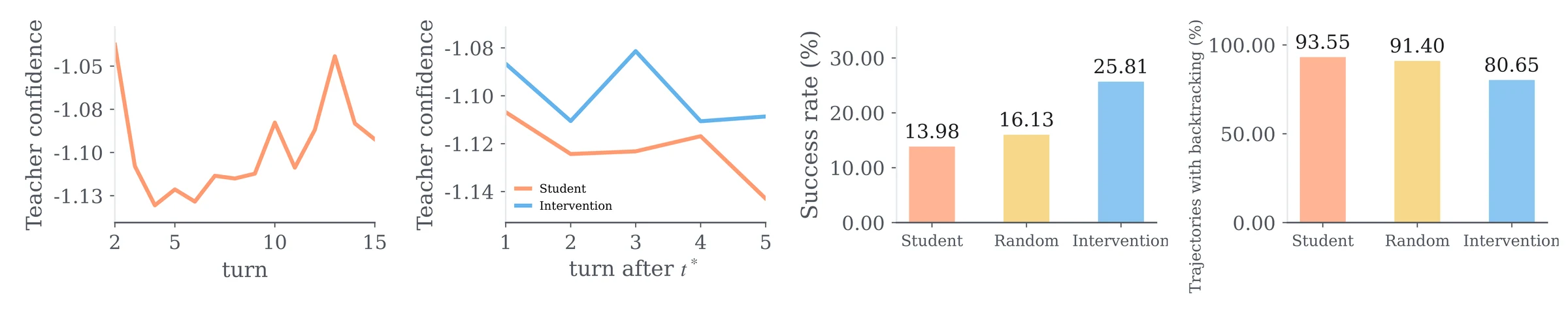
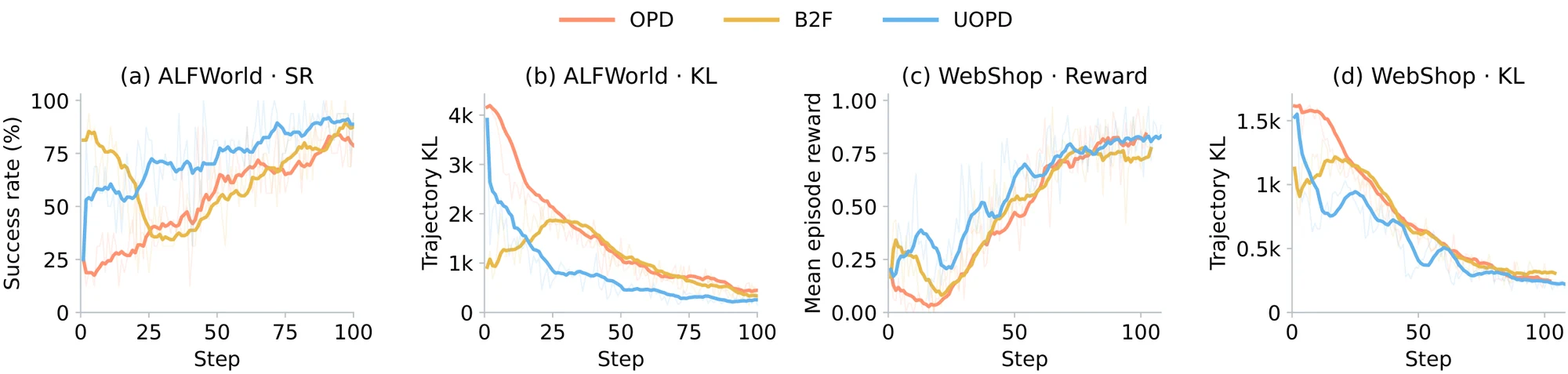
On-policy distillation trains a student on its own rollouts with dense teacher supervision, but in multi-turn environments a mistake at a critical step can redirect the rest of the rollout. UOPD uses low teacher confidence on student actions to select high-uncertainty turns: there it executes a sampled teacher action and trains the student to imitate it through SFT, while every other turn keeps the standard reverse-KL OPD loss. On ALFWorld and WebShop, UOPD outperforms OPD and its curriculum and correction variants at two student sizes, with the fewest interaction turns in five of six settings; on multi-hop search it outperforms OPD on all four datasets.
archive.03 / selected
A new preprint on agent distillation, followed by selected peer-reviewed work across genomic discovery, video reasoning, language models, and single-cell geometry.
Wenbo Zhang*, Pengcheng Xu*, Weizhi Du, Jing Zhang, Hengrui Cai. Teacher uncertainty decides when to replace a student action with a teacher correction during on-policy distillation; on ALFWorld and WebShop it outperforms OPD, TCOD, and FTB-OPD at two student sizes, and on multi-hop search it outperforms OPD with a 1.5B student.
Context management for long-horizon agents that spends no agent turns: the harness archives old tool results verbatim into workspace files and keeps the prompt cache valid, matching a strong self-managed baseline at lower cost.
One compute budget shared between a coding agent's model weights and its code harness: failed attempts are routed to harness improvements, and an evolved selector chooses among sampled attempts at test time.
Prediction-space ensembling for compact, set-valued student models, with controlled comparisons of Wasserstein objectives, output-size matching, seed variance, and cross-domain transfer.
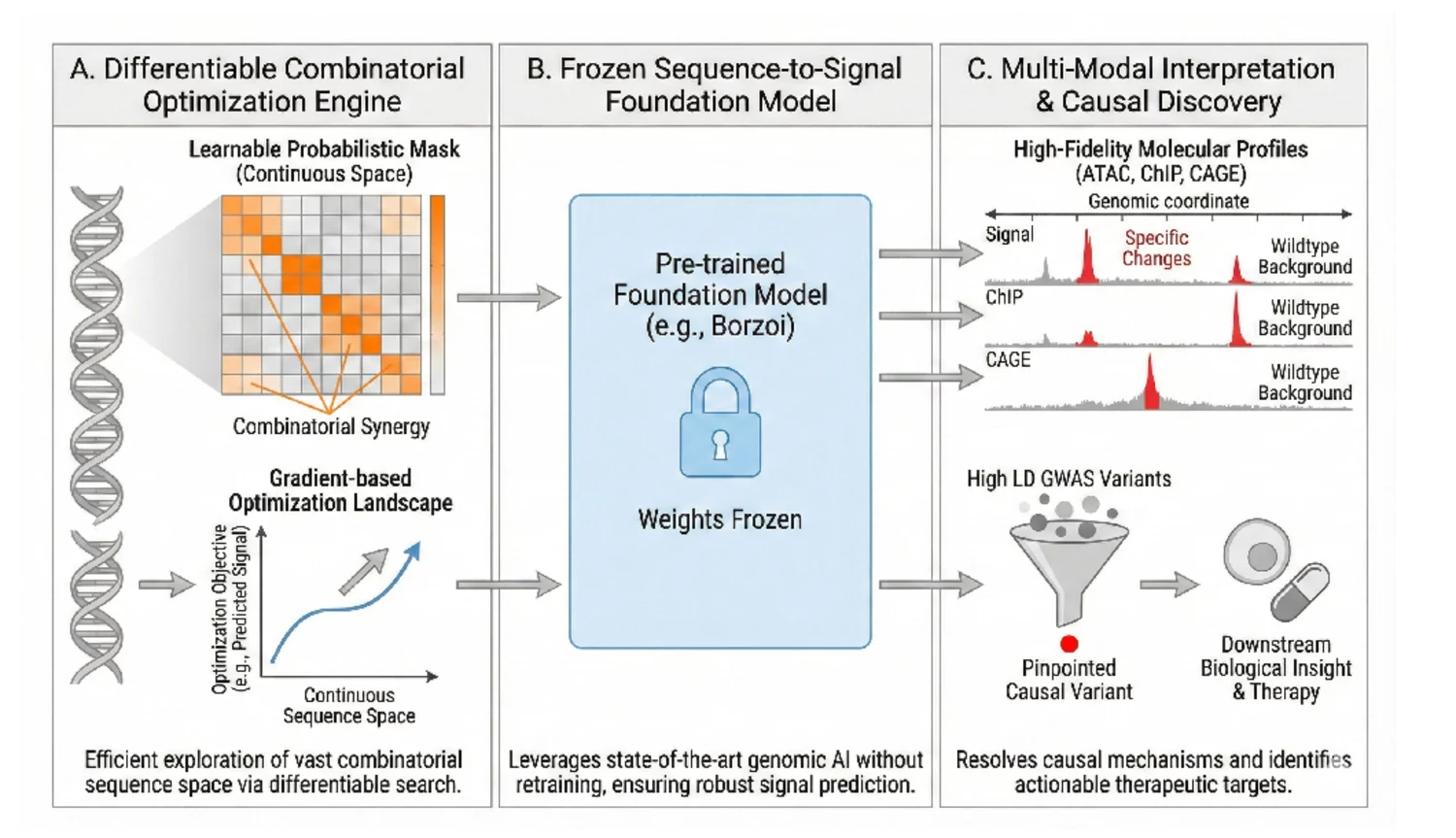
Efficient differentiable search for causal variants across molecular modalities and tissues.
Read paper
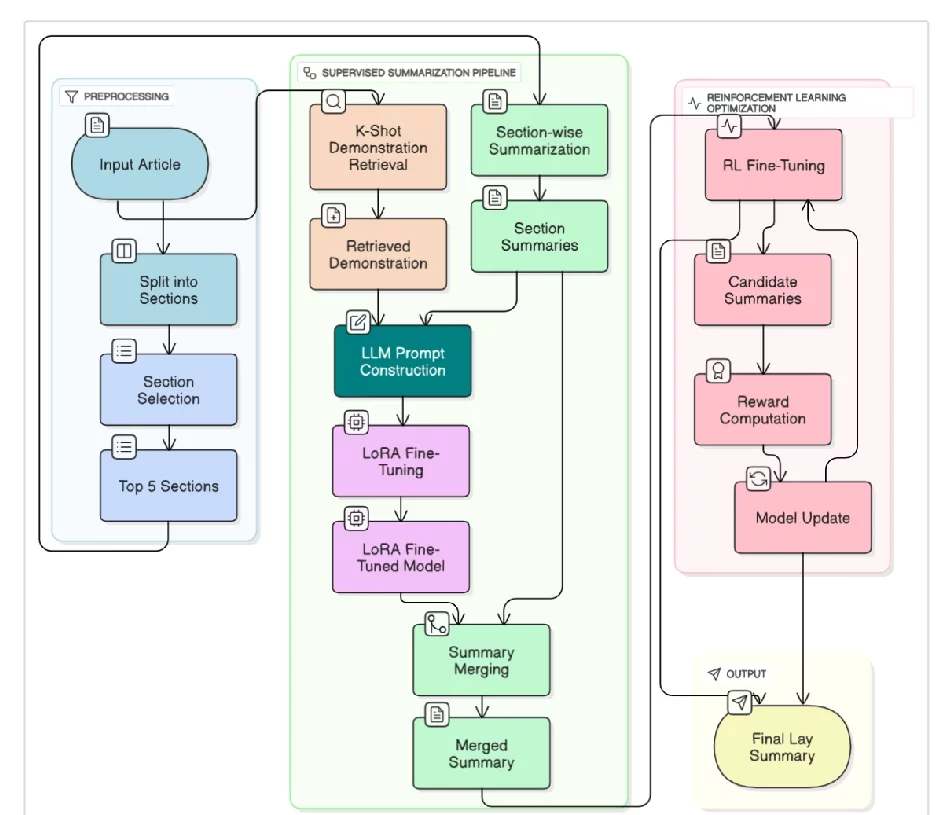
Section-wise retrieval, LLM generation, and reinforcement learning for accessible biomedical summaries.
Read paper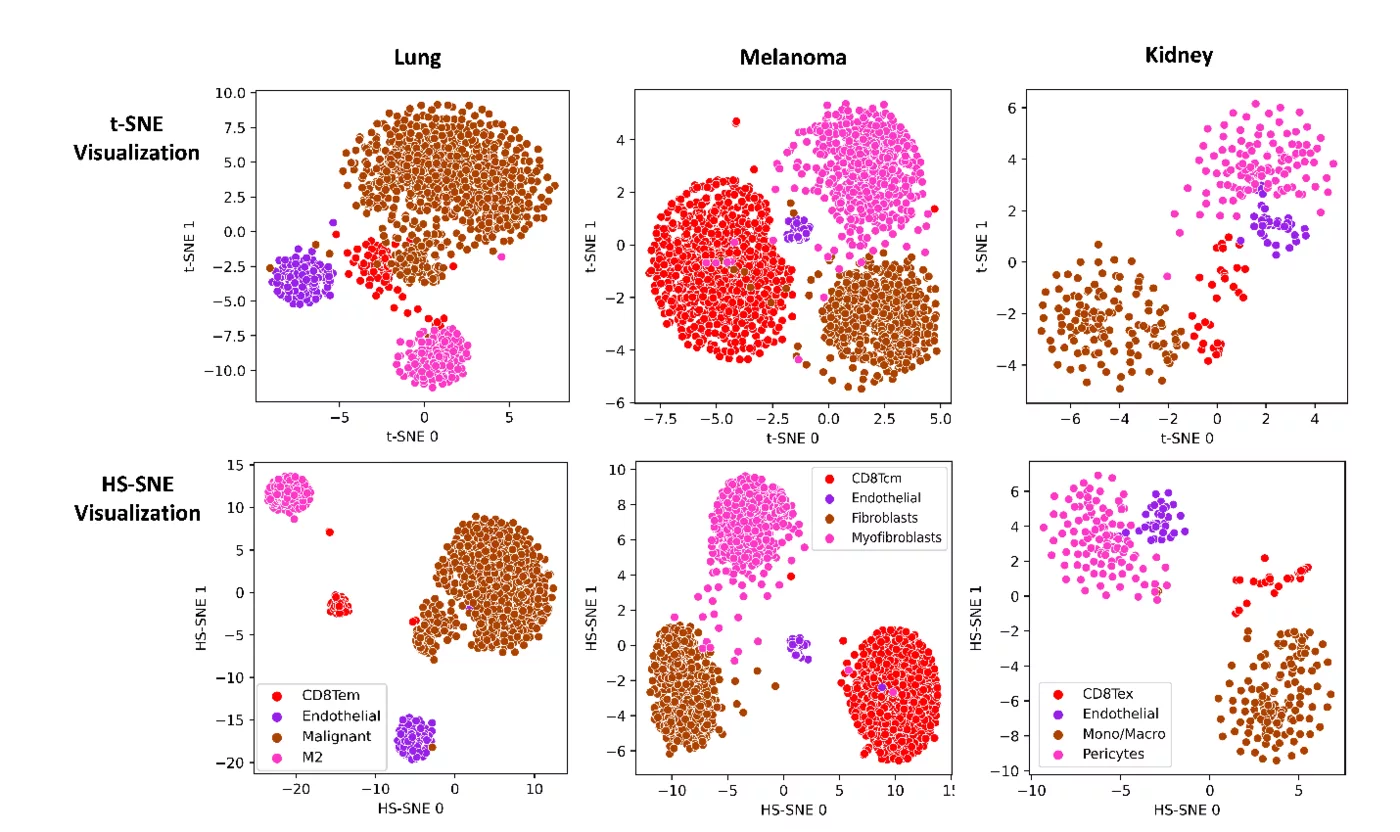
Project cells to the L2 hypersphere, compare them by angular distance, then use a spherical affinity inside SNE.
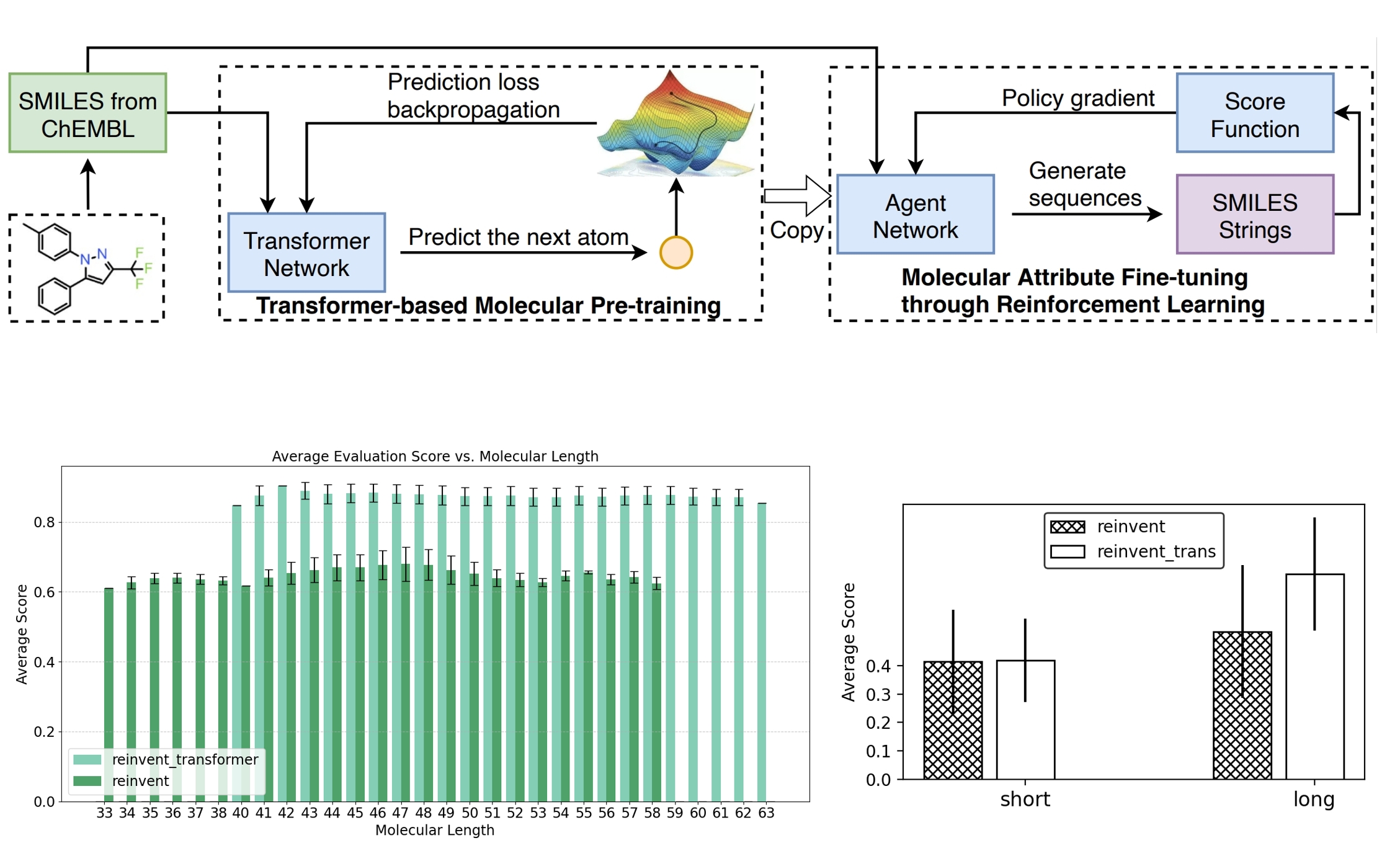
Transformer-based reinforcement learning for oracle-guided molecular de novo design.
Read paper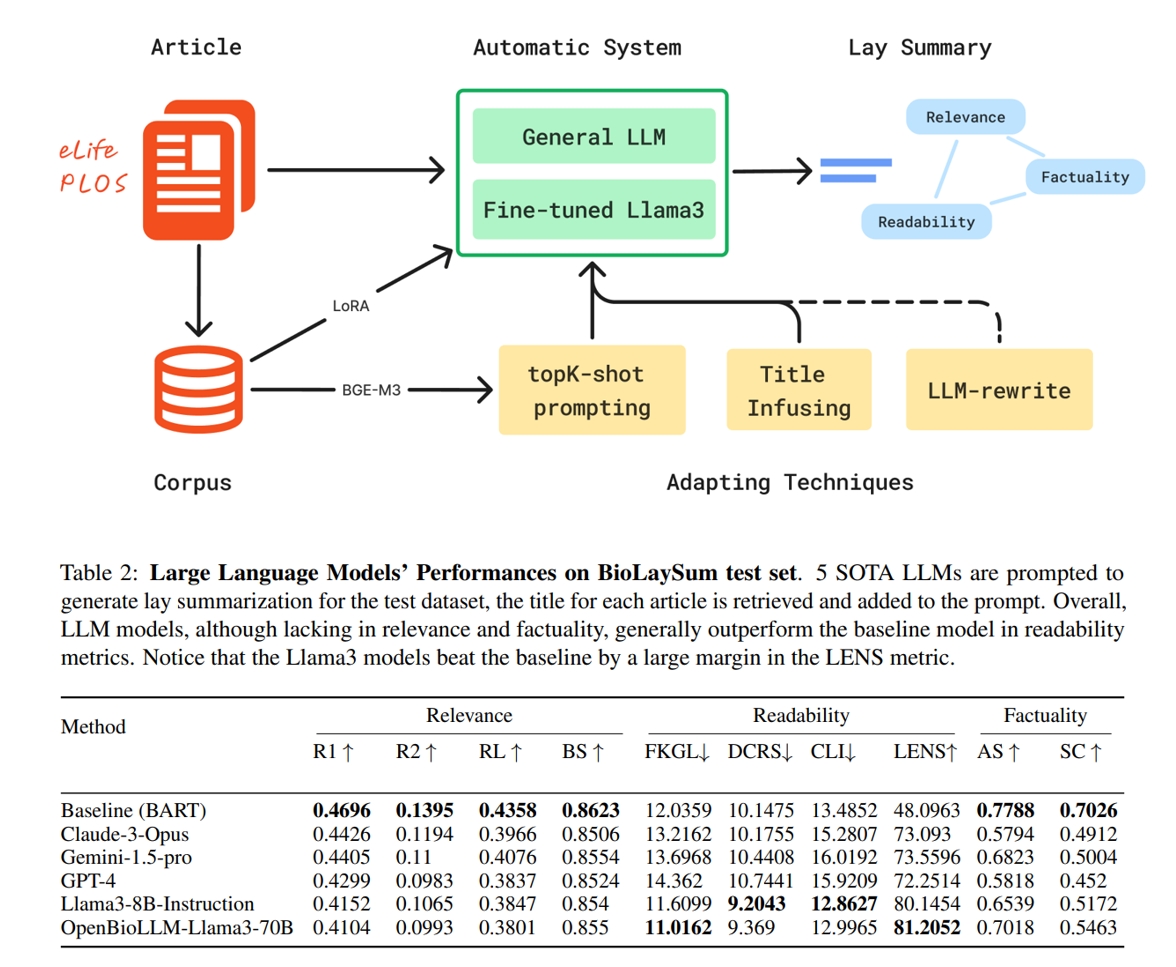
Adapts language models for accessible biomedical communication, emphasizing readability and factual quality.
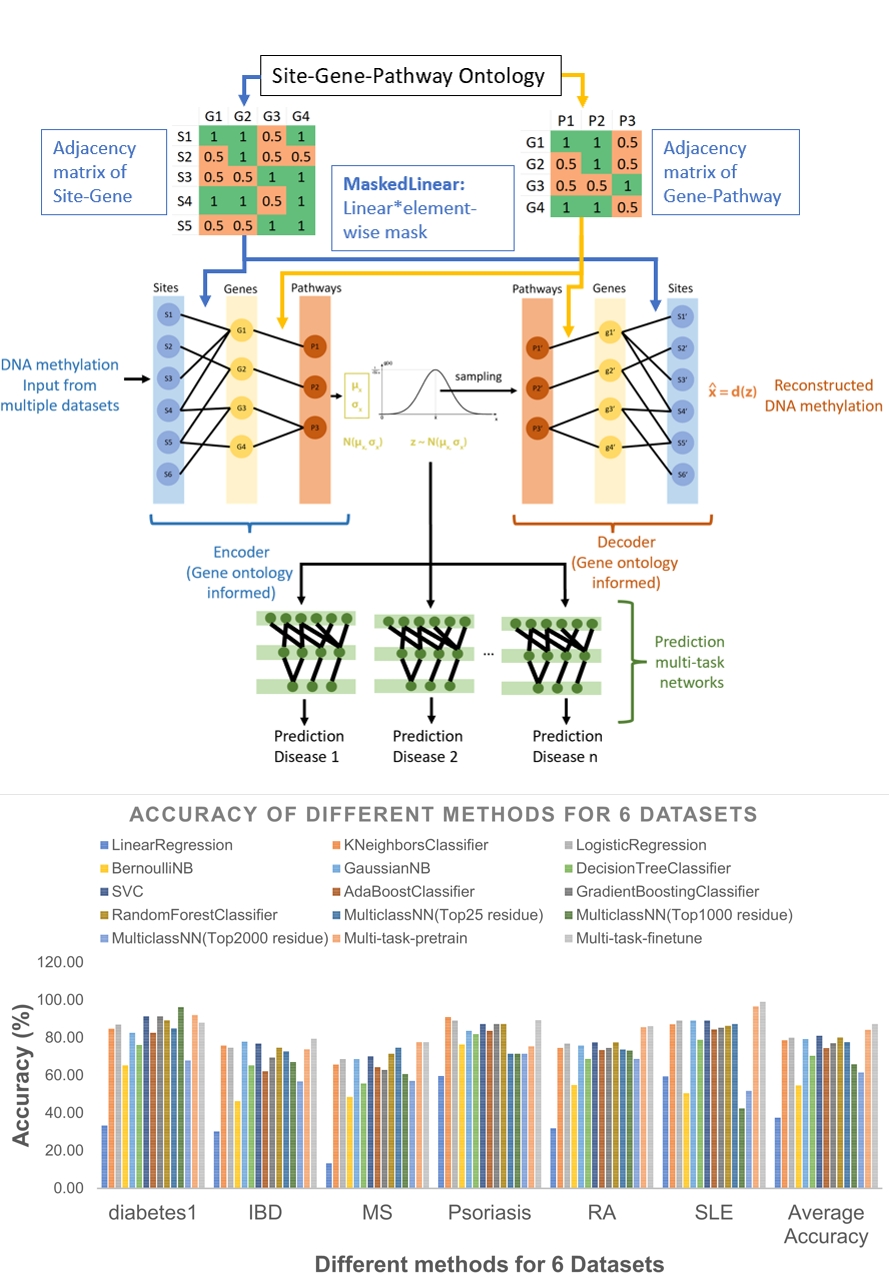
An interpretable network for DNA-methylation diagnostics, where small cohorts and very wide inputs make models overfit. Masked linear layers follow the site–gene–pathway graph, so every weight maps to a CpG site, gene, or pathway; a variational autoencoder shares one pathway-level bottleneck across six autoimmune-disease datasets (rheumatoid arthritis, lupus, multiple sclerosis, IBD, psoriasis, type 1 diabetes), and a classifier per disease reads that shared embedding. It predicts disease more accurately than the baselines.

Casts the configuration of distributed pipeline-parallel training as a differentiable search guided by a hardware-aware latency predictor, aiming at faster configuration and convergence.
Read report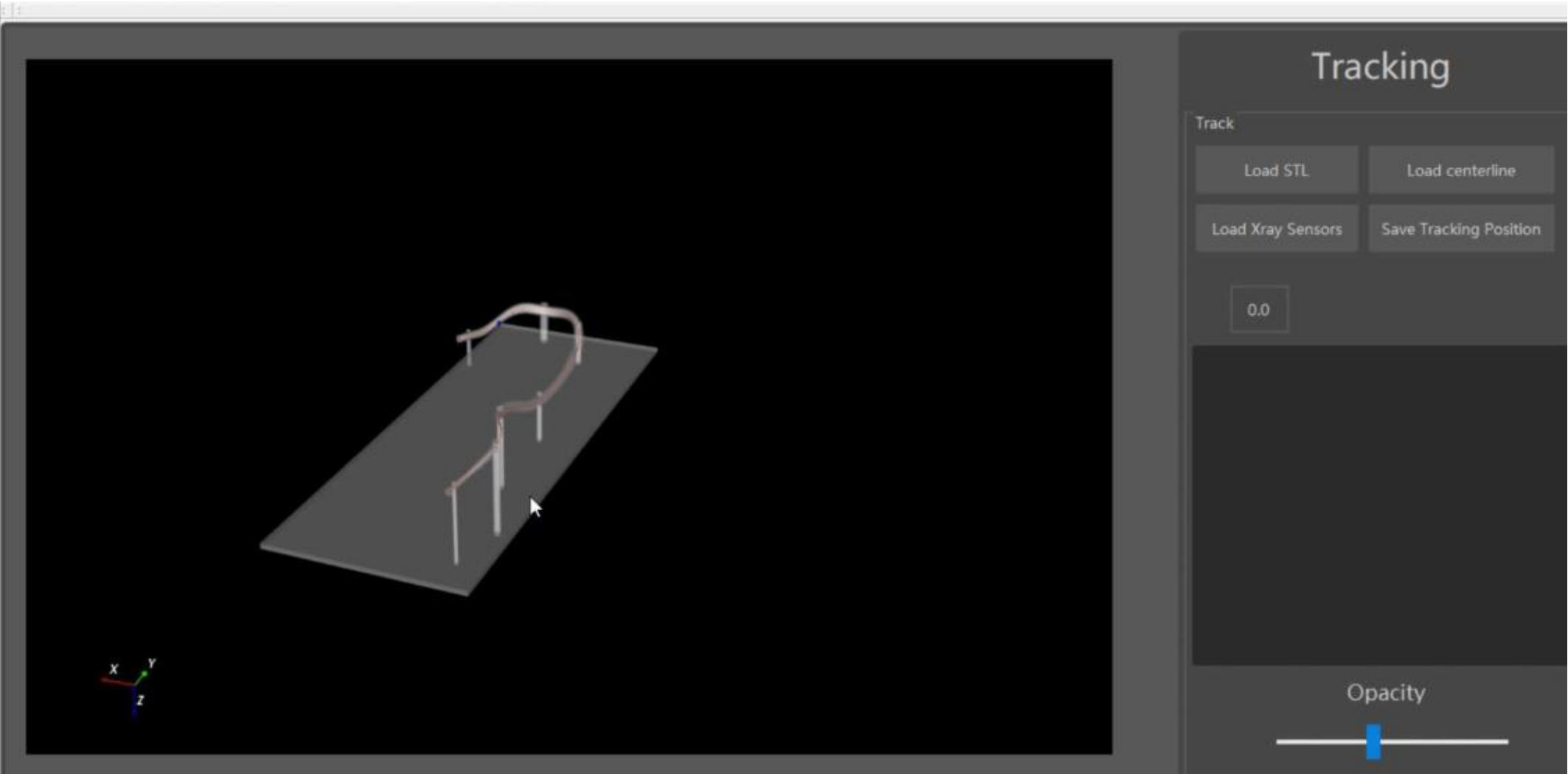
A training system for cardiovascular interventional surgery that tracks the instrument electromagnetically against a 3D vessel model. In the surrounding augmented-reality project I built LSTM trajectory prediction with KD-tree distance checks for safety warnings and the AR display of the vessel model.
Publicationpaper.controls / inspect
Move a published optimization parameter and inspect an exact reported ablation. Illustrative quantities remain separate from experimental measurements.
Author PDFs, full author lists, and figure notes Open the academic publication section →
paper.lab / interactive reconstruction
An interactive reading of our ACM BCB 2024 paper. Follow the same feature directions from a flat simplex to a curved hypersphere, then inspect how angular distance becomes a probability neighborhood.
ACM BCB 2024 · ACM SIGBio Best Paper Award
The method projects each cell to the unit hypersphere, measures angular distance, transforms angles into spherical affinities, and normalizes those affinities before optimizing the low-dimensional embedding. The interaction below makes that causal chain inspectable.
Official PDF ↗ DOI record ↗ Method figure ↗ Embedding figure ↗ Evaluation figure ↗
The geometry control stays in view through this method trace; open Deeper math for κ, affinities, and the numbered path to the low-dimensional neighborhood.

systems.04 / field log
I move between objectives, datasets, distributed systems, product interfaces, and evaluation infrastructure.
flight.path / 2018 → 2029
Degrees, research and engineering roles, and teaching on one timeline. Select any mission to jump to its log entry.
research / post-training

Verifiable evaluation and reinforcement-learning post-training for mathematical and scientific diagram generation.
research / scientific ML

Developed antibody-binding ΔΔG models with binding-ddg-predictor, a CarbonDesign encoder, and GearBind; created leakage-resistant complex-level SKEMPIv2 splits and balanced alanine/non-alanine sampling, improving Pearson correlation by ~10% and Spearman by ~5%.
product systems

Built a React/TypeScript rate-card workflow for VMware Cloud on AWS with Java, API Gateway, and Lambda integrations, including CSV validation and pricing-error previews; added Athena/S3/DynamoDB anomaly detection with CloudWatch alerts for usage and subscription anomalies.
open-source ML systems

Built and upstreamed a 600+ line AutoX/Python/OpenMLDB SQL pipeline that generated time-series and statistical features, then selected top features through adversarial validation, GRN, or reinforcement learning; presented the system to the open-source community.
Contribution ↗ 4Paradigm ↗ OpenMLDB ↗ Meetup talk ↗ Code Camp talk ↗multimodal learning

Developed multimodal target detection that consumes images and two audio channels to predict behavior and distance, integrating MiDaS zero-shot monocular depth estimation; also investigated multimodal neural architecture search.
Shanghai AI Laboratory ↗model efficiency / open source

Implemented Cross-Layer Equalization for data-free FP32→INT8 quantization in Intel Neural Compressor; studied NVIDIA Triton and AI Model Efficiency Tool, presented their designs to ~100 colleagues, and helped build C++ multi-framework inference tooling for CPU/GPU deployment.
Intel Neural Compressor ↗distributed medical AI

Built Horovod multi-node, multi-GPU 3D U-Net training with NVIDIA Clara, OpenMPI, and NCCL2, reaching 2.5× speedup on four GPUs across two nodes; benchmarked configurations and added Java backend support for distributed medical-imaging jobs.
Project repository ↗ Shukun Technology ↗ Horovod ↗ Technical talk ↗working stack
TEACHING
Teaching Assistant for UCI ICS 6B (Boolean Logic & Discrete Structures, Winter 2025), UCI ICS 6D (Discrete Mathematics, Spring 2025), and the University of Michigan–Shanghai Jiao Tong University Joint Institute VE370 (Computer Organization, Fall 2021).
SELECTED HONORS
SYSTEMS MODE
Python, C/C++, Java, TypeScript, SQL, shell, CUDA, PyTorch, TensorFlow, Horovod, distributed training, evaluation, and benchmark design.
playground.05 / shipped
Browser worlds, interactive mathematical essays, and tools for thinking with models.
 live multiplayer / browser-native
BUILD/01
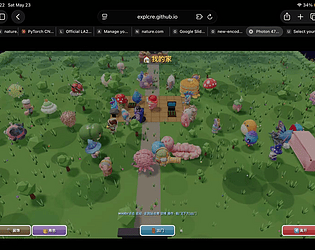
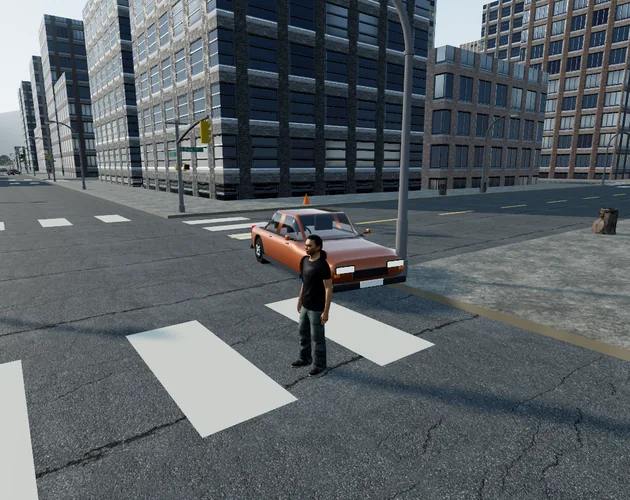
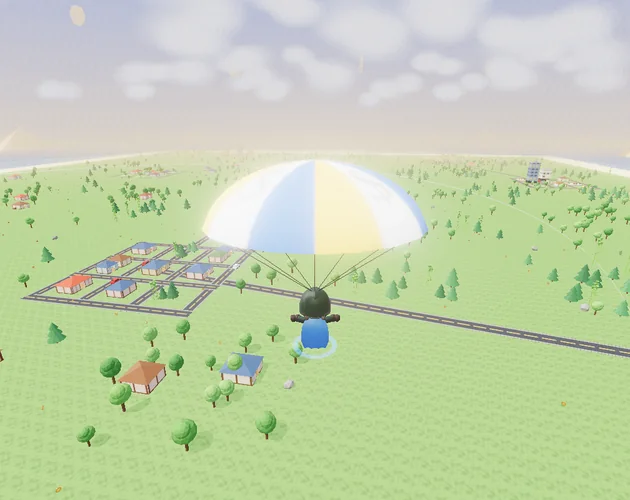
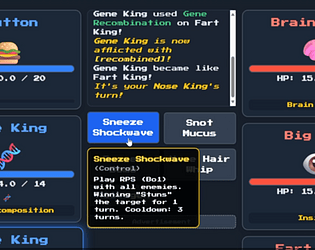
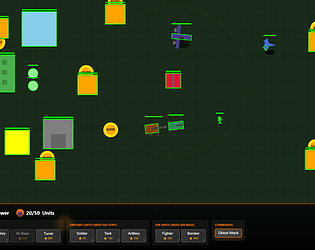
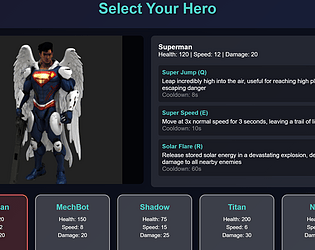
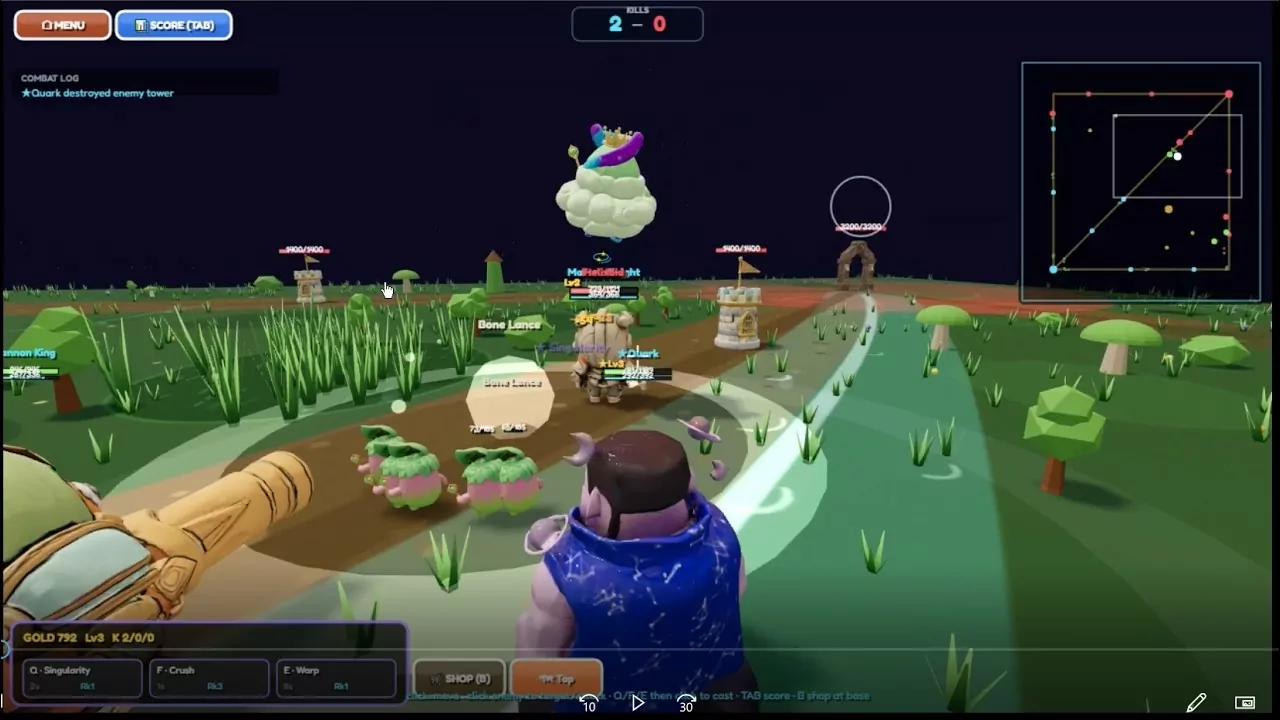
A solo-built, no-install 3D browser RPG in English and Chinese. Seven game modes and a living home hub share one roster of 45 heroes and 6 bosses—a seven-chapter open-world story, a 5v5 MOBA, an FPS arena, a deck battler, auto chess, squad brawls, and ranked 3D chess—with cross-play PvP, built on WebGL, Deno services, serverless Postgres, and automated browser testing.
 BUILD/02 · FIELD GUIDE
The Geometry of Intelligence
Riemannian and information geometry for AI, made visual.
↗
BUILD/02 · FIELD GUIDE
The Geometry of Intelligence
Riemannian and information geometry for AI, made visual.
↗
 BUILD/03 · INTERACTIVE ESSAY
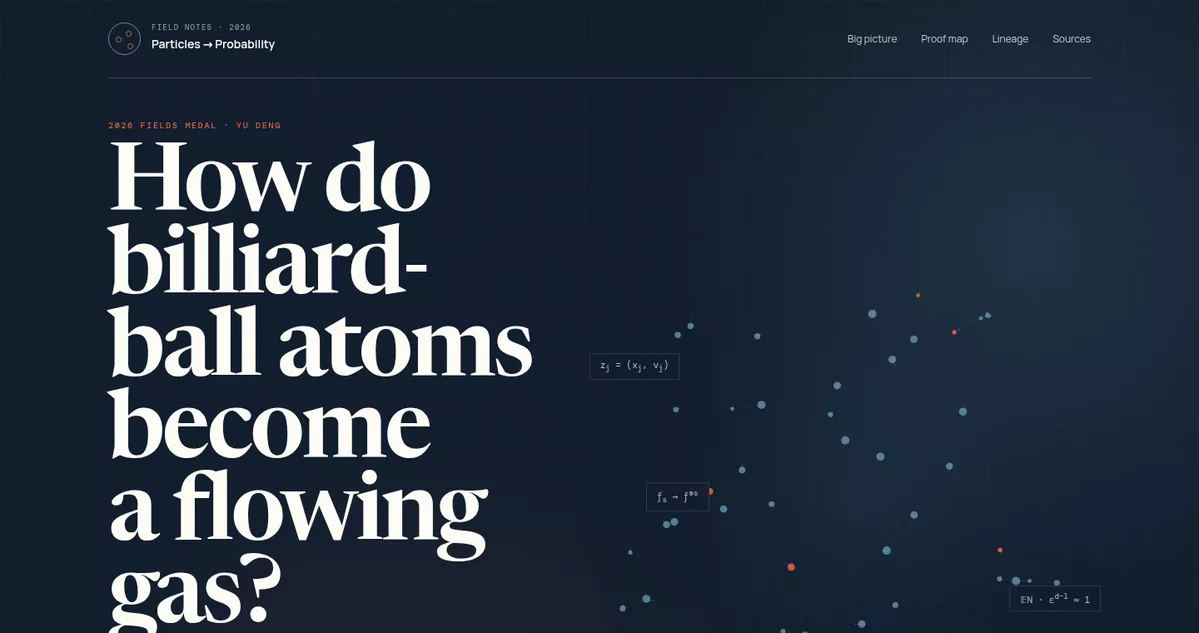
Particles → Probability
From interacting particles to the mathematics of Fields Medalist Yu Deng.
↗
BUILD/03 · INTERACTIVE ESSAY
Particles → Probability
From interacting particles to the mathematics of Fields Medalist Yu Deng.
↗
 BUILD/04 · INTERACTIVE GUIDE
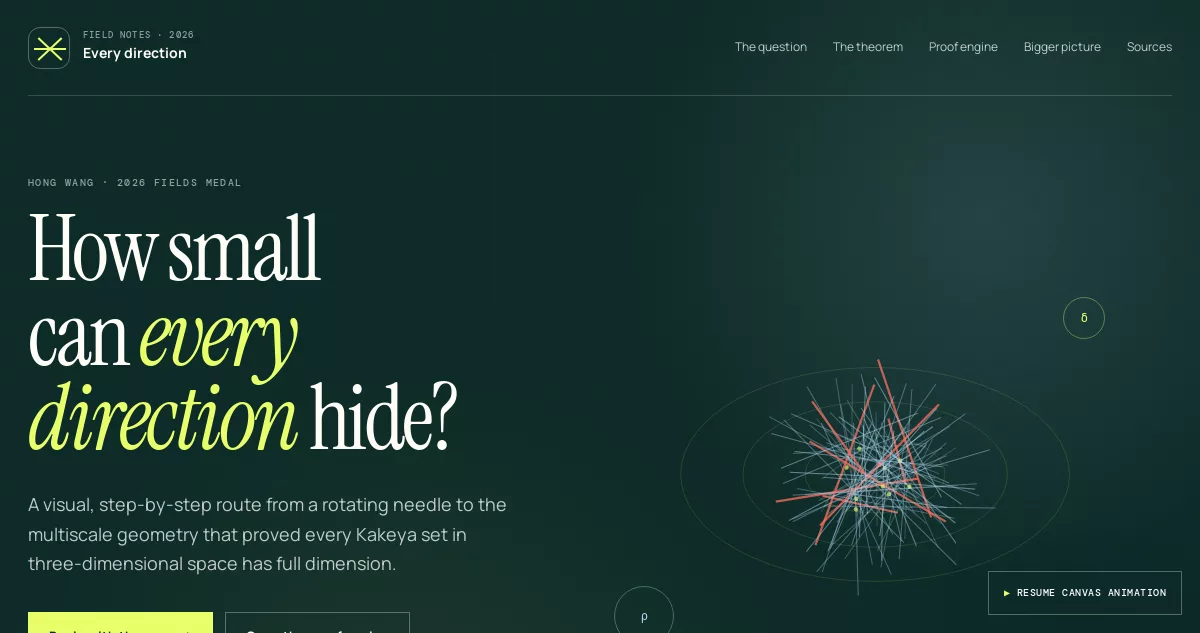
Every Direction, Full Dimension
From a rotating needle to mathematics recognized by Hong Wang’s 2026 Fields Medal, centered on
Wang–Zahl’s proof of the 3D Kakeya set conjecture and Guth–Wang–Zahl’s later streamlined proof.
↗
BUILD/05 · DEVELOPER TOOL
File → Prompt
A private-by-design browser tool that orders project files and turns them into one
structured prompt. Everything stays local.
↗
BUILD/06 · CONVERSATIONAL WEB
PengchengGPT
A conversational interface to my work, background, and public projects.
↗
BUILD/04 · INTERACTIVE GUIDE
Every Direction, Full Dimension
From a rotating needle to mathematics recognized by Hong Wang’s 2026 Fields Medal, centered on
Wang–Zahl’s proof of the 3D Kakeya set conjecture and Guth–Wang–Zahl’s later streamlined proof.
↗
BUILD/05 · DEVELOPER TOOL
File → Prompt
A private-by-design browser tool that orders project files and turns them into one
structured prompt. Everything stays local.
↗
BUILD/06 · CONVERSATIONAL WEB
PengchengGPT
A conversational interface to my work, background, and public projects.
↗
inspect source: PengchengGPT repository ↗
side.quest / browser games
offscreen.06 / human context
Music, speculative writing, browser experiments, and the story encoded in a name.
SELECTED PERSONAL MEDIA
A guitar recording away from the research loop. The embedded player loads only after you choose it, so Bilibili receives no request on the initial page load.
Watch on Bilibili ↗NAME / ORIGIN
In 鹏, 鸟 gives the bird meaning while 朋 supplies the sound. In the animation, the two 月 forms remain side by side within a large 朋 contour, roughly matching 鸟 in height, and become the feather framework of one huge open left wing. A recognizable bird silhouette forms the body while a lighter, semi-transparent 鸟 remains visible inside it; the character’s inner dot is highlighted as the eye. Together they form a visual metaphor for 鹏, the enormous bird of Chinese mythology, setting out on a ten-thousand-li journey. My parents chose Pengcheng as a hope for an ambitious path and a wide horizon. In English, I pronounce Xu like “Hsu.”
AUDIO / VIDEO
I sing, play guitar, and record occasional technology talks.

WORDS / SPECULATIVE
祂 and Father Sun are two forms of the same science-fiction project.
OFFLINE / INTERESTS
Basketball, tennis, table tennis, swimming, reading, science fiction, and learning how things work. Richard Feynman and Tsung-Dao Lee remain enduring inspirations.
I try to make work that contributes something positive and outlasts the moment in which it was made. The full personal note remains in the academic archive.
channel.07 / open
I welcome conversations about large language models, reinforcement learning, reliable AI evaluation, genomics, distillation, scientific machine learning, and unusually ambitious web experiments.
Choose 30 minutes for a focused question, or one hour for a deeper research, paper, or project conversation. The hour-long calendar also includes weekends.
Live booking is handled by Google Calendar; the email fallback goes to my UC Irvine inbox. The calendar loads only after you open this panel.
Open this panel to see current weekday and weekend availability.